
History
Pacific Grove: From a Methodist Tent Camp to California's Last Dry Town
Walk a few blocks in Pacific Grove and you'll notice how close the houses are. Small Victorian cottages sit almost shoulder to shoulder on narrow lots, many of them more than 100 years old. It looks like a town that was planned that way, and in a sense it was. Those lots were laid out for tents.
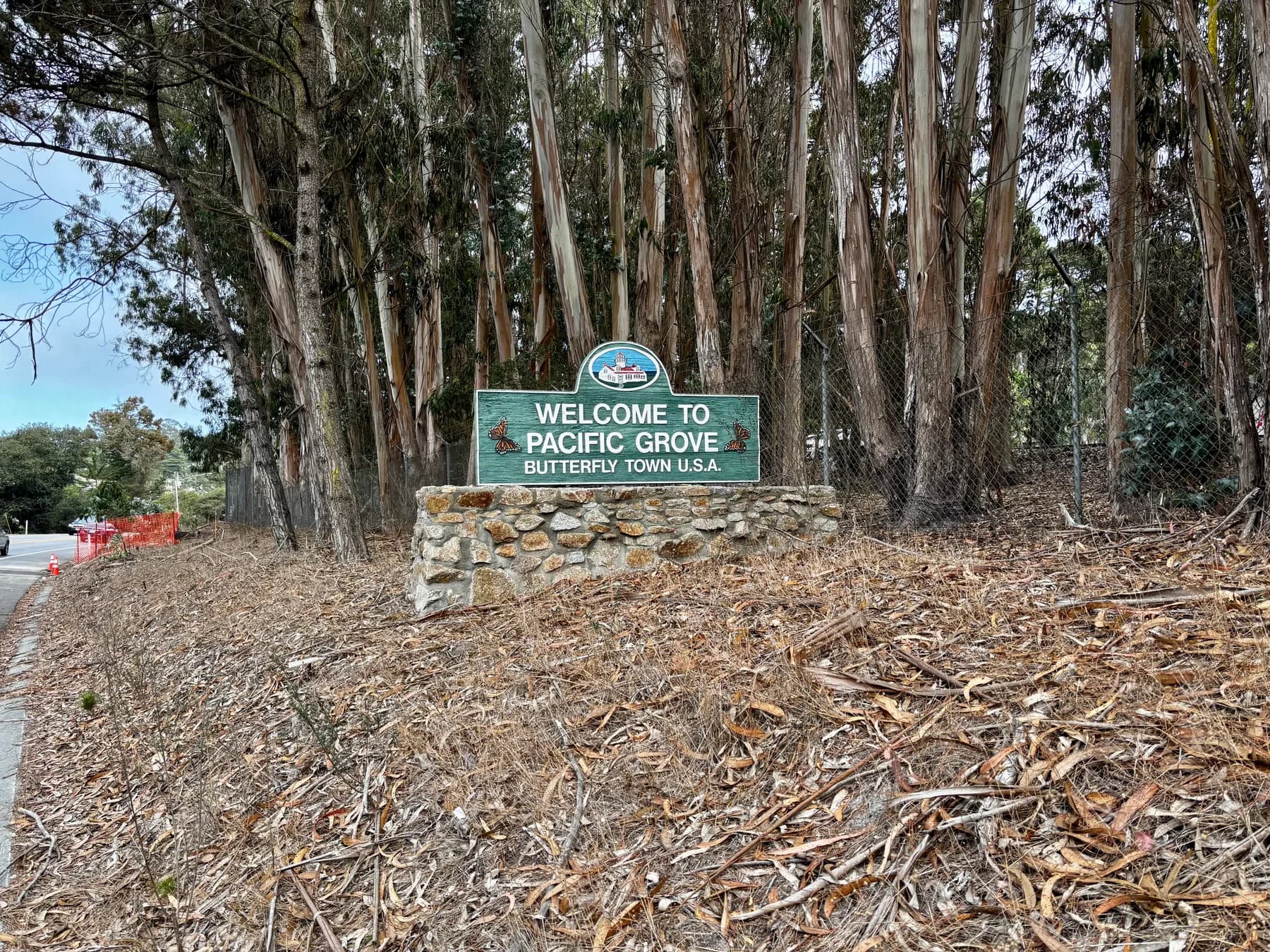
A summer camp by the sea
In 1875, a group of Methodists formed the Pacific Grove Retreat Association to create a Christian seaside retreat. Landowner David Jacks provided the land, and it was divided into small lots, 30 feet by 60 feet, for families to pitch tents during the summer.
Over time, the tents became more permanent. Families built wooden frames for their canvas, then turned many of those frames into simple, single-wall cottages they could use year-round. That's a big part of why Pacific Grove still has its turn-of-the-century look today.
The retreat also brought education and culture. Pacific Grove became home to summer Chautauqua gatherings, with lectures, classes, and religious programs, and Chautauqua Hall still stands today. When writer Robert Louis Stevenson visited in 1879, he wrote, "I have never been in any place so dreamlike."
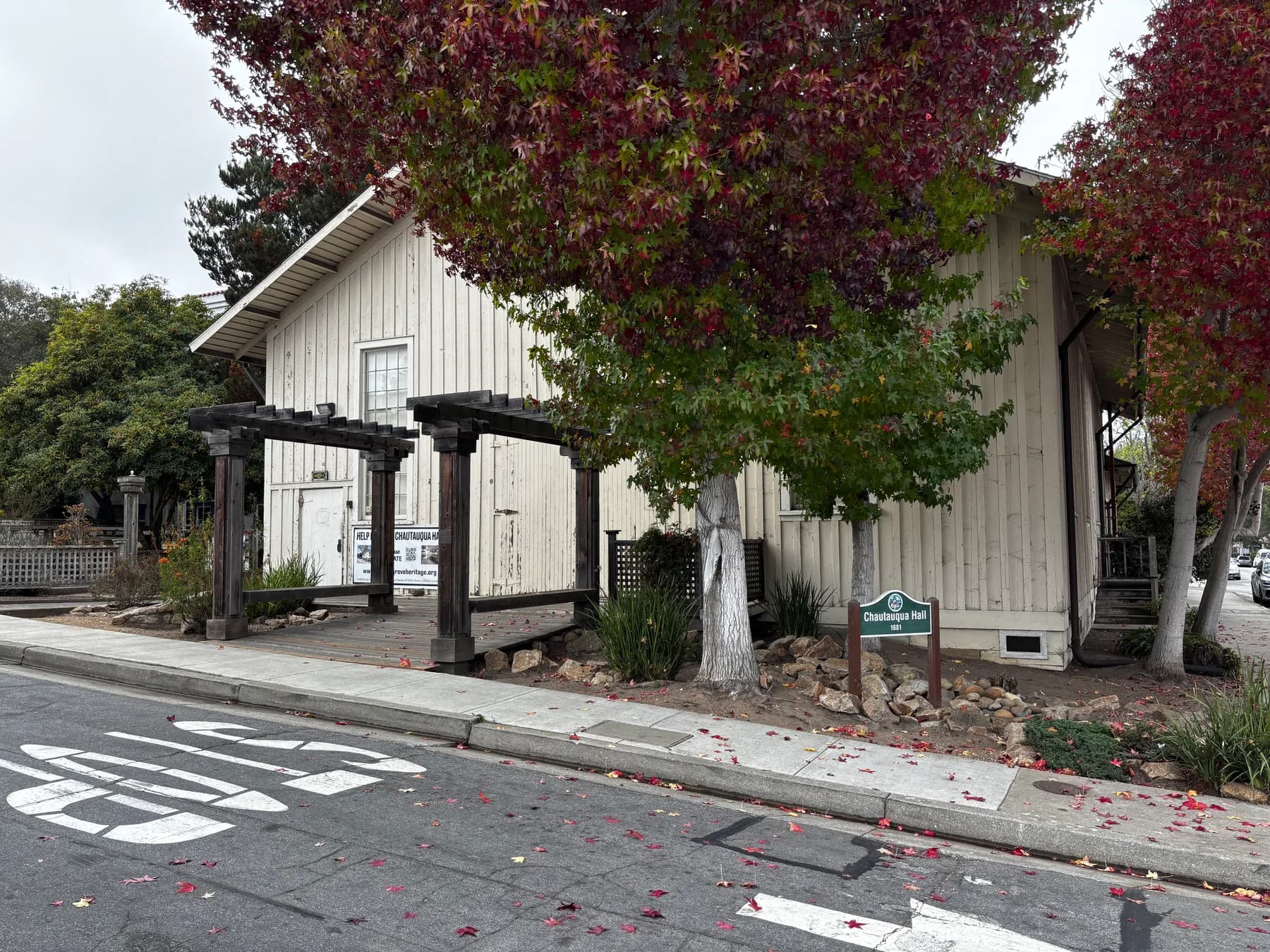
Pacific Grove incorporated as a city in 1889.
The last dry town in California
Because of its religious roots, Pacific Grove had strict rules, and alcohol was the one that lasted longest. For decades, you couldn't legally buy a drink in town. Pacific Grove was known as the last dry town in California until July 4, 1969, when alcohol was served publicly at the grand opening of the Pacific Grove Art Center.
The Chinese fishing village at Point Alones
There's a harder chapter in Pacific Grove's history, too. Beginning in the 1850s, Chinese immigrants built a fishing village at Point Alones, on the shoreline between Pacific Grove and Monterey. They helped start California's squid fishery, and at its peak the village was home to around 500 people.
On May 16, 1906, the village burned in a fire that has long been described as suspicious. The landowner had already been trying to remove the residents, and the village was never rebuilt. Today, Stanford's Hopkins Marine Station sits next to where it stood.
In 2022, the City of Pacific Grove formally apologized for the burning of the village. Each year, a Walk of Remembrance travels from the Pacific Grove Museum of Natural History to the former village site.
Butterfly Town USA
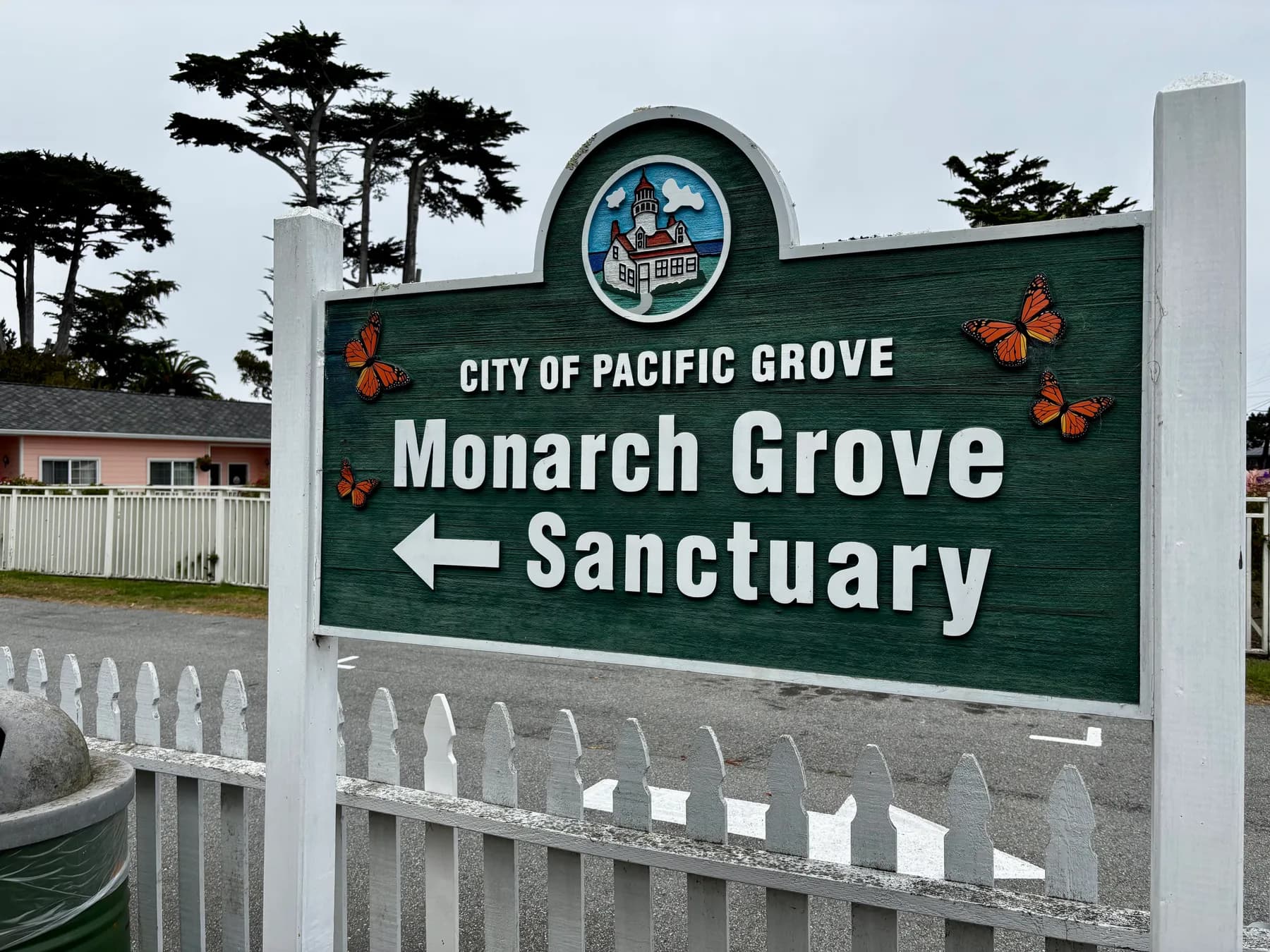
Every fall and winter, thousands of monarch butterflies arrive in Pacific Grove to spend the season clustered in the trees, especially at the Monarch Grove Sanctuary. The town has embraced them so fully that it's known as Butterfly Town USA, and it backs that up with a law: molesting or interfering with monarchs can bring a $1,000 fine.
A town full of historic homes
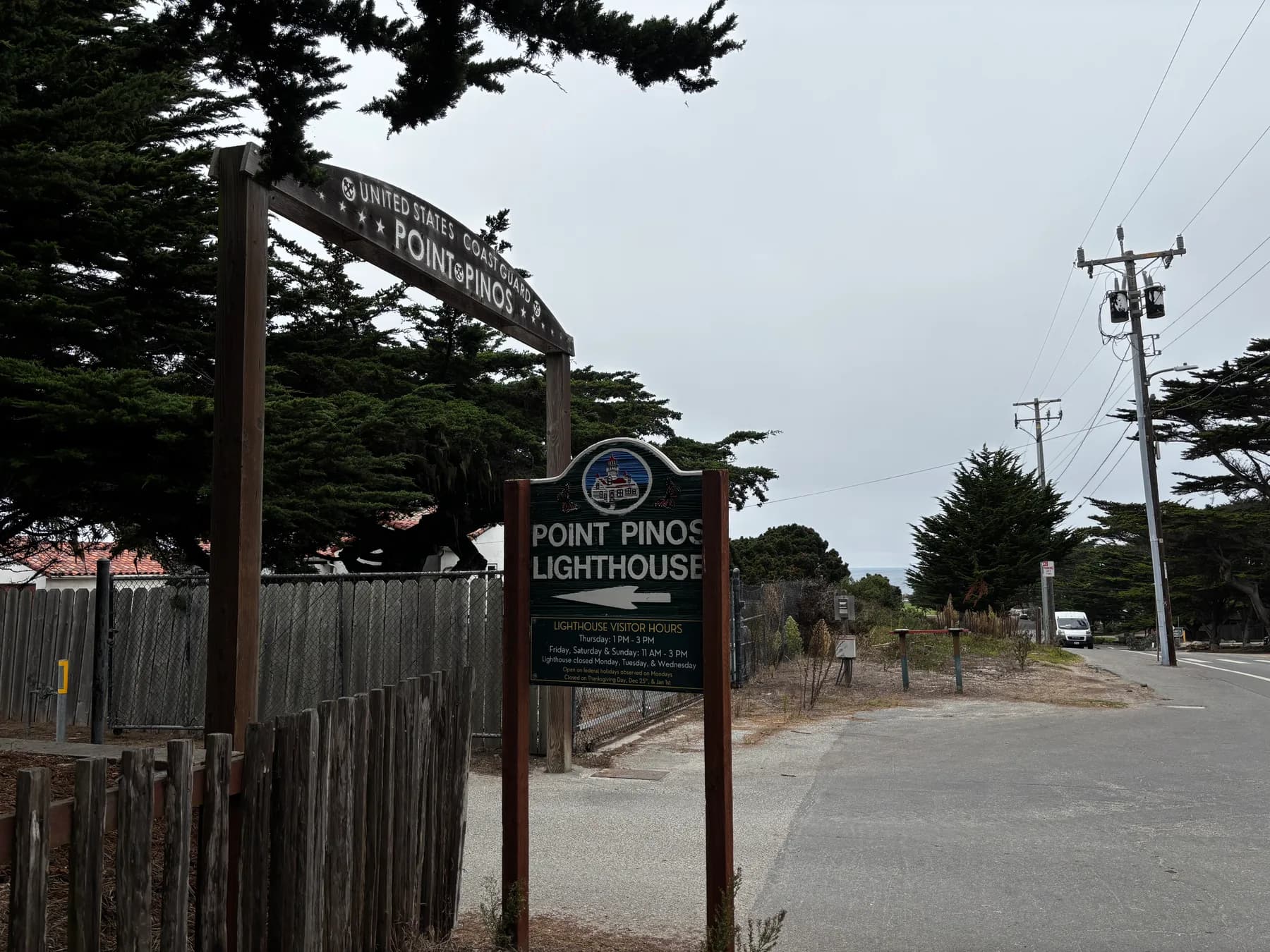
Pacific Grove has more historic homes for its size than almost anywhere on the West Coast. A city inventory in the 1980s identified more than 1,200 historic buildings built between 1874 and 1926. Point Pinos Lighthouse, Chautauqua Hall, and several other buildings are on the National Register of Historic Places.
Not far away, Asilomar adds another layer of history. It opened in 1913 as a YWCA conference grounds, with buildings designed by architect Julia Morgan, and it's still a conference center today.
What it means if you're buying or selling in Pacific Grove
The town's history shows up in its homes and its rules:
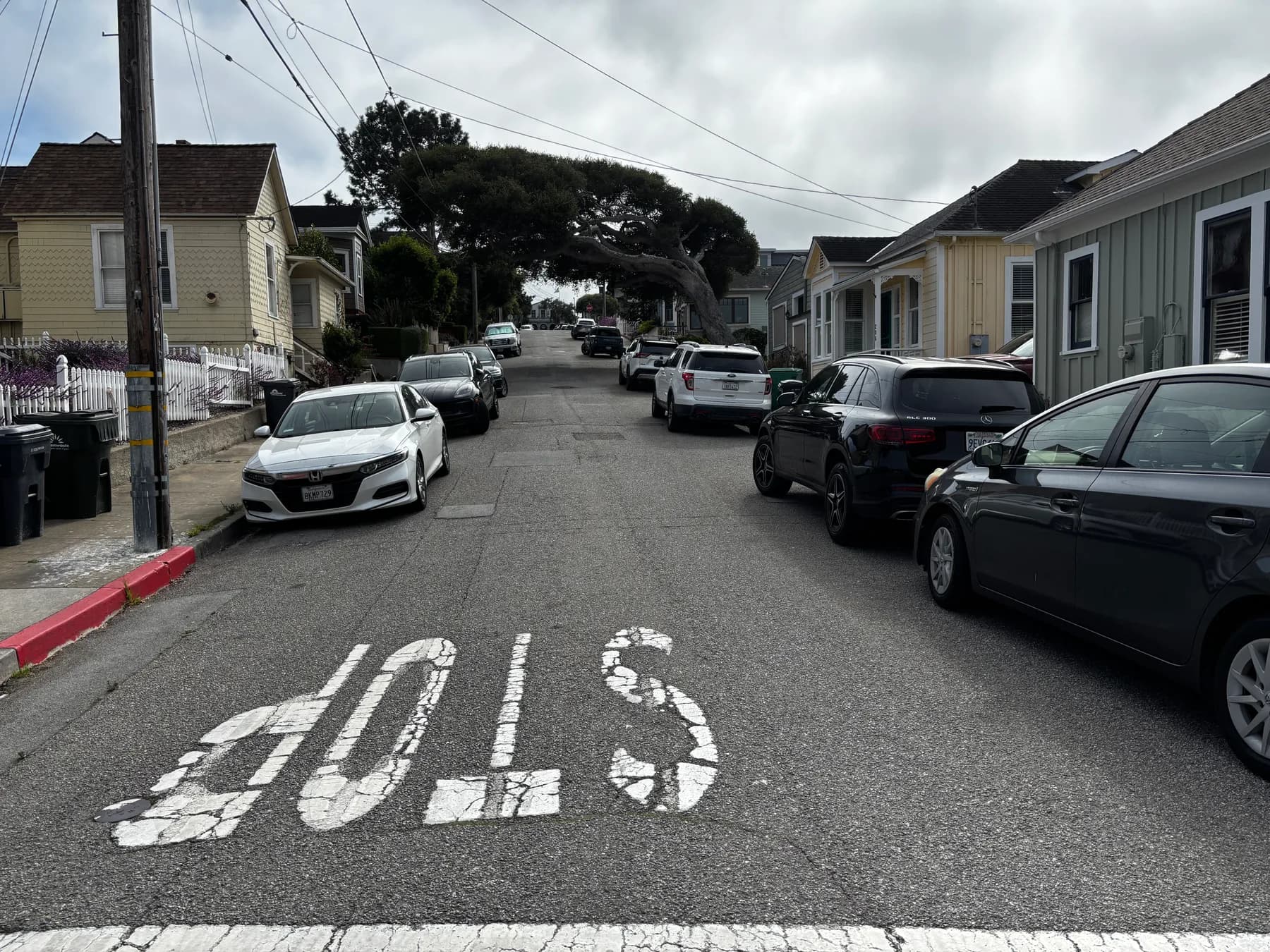
- Small lots and narrow streets. Many homes sit on lots that trace back to those original tent lots. Many streets in the older center of town are narrow too, and with cars parked along one side, some two-way streets only have room for one car at a time, so you'll sometimes pull over to let someone pass. It's part of the old-town charm, but it's worth knowing, since it affects parking, additions, outdoor space, and daily driving.
- Historic review. With so many historic homes, Pacific Grove reviews changes to older properties closely. If you're planning a remodel or addition, it's worth knowing early whether the home is on the historic inventory.
- Trees. The city regulates removing and significantly pruning many trees on private property.
- A city report before you sell. Pacific Grove requires a residential building record report before a sale closes, as covered in the Seller's Guide chapter on disclosures and local requirements.
- Short-term rentals. Pacific Grove caps the number of short-term rental licenses, so you can't count on getting one.
- Weather. Sitting right at the tip of the Peninsula, Pacific Grove tends to get more fog than Monterey, for the most part. If sunshine matters to you, spend time in the neighborhood at different times of day before you buy.
For more on these rules, see the Buyer's Guide chapter on local rules.
Sources: Wikipedia's Pacific Grove article; the City of Pacific Grove General Plan, Chapter 7; Monterey County Weekly (May 2022); and the Pacific Grove Museum of Natural History.
Sources
- Wikipedia, Pacific Grove, California
- City of Pacific Grove General Plan, Chapter 7: Historic and Archaeological Resources
- Monterey County Weekly, Hundreds gather for Pacific Grove's reading of an apology for the burning of the Chinese village in 1906 (May 2022)
- Pacific Grove Museum of Natural History, Monarchs